
Classic Margherita Mastery: The Timeless Neapolitan Delight
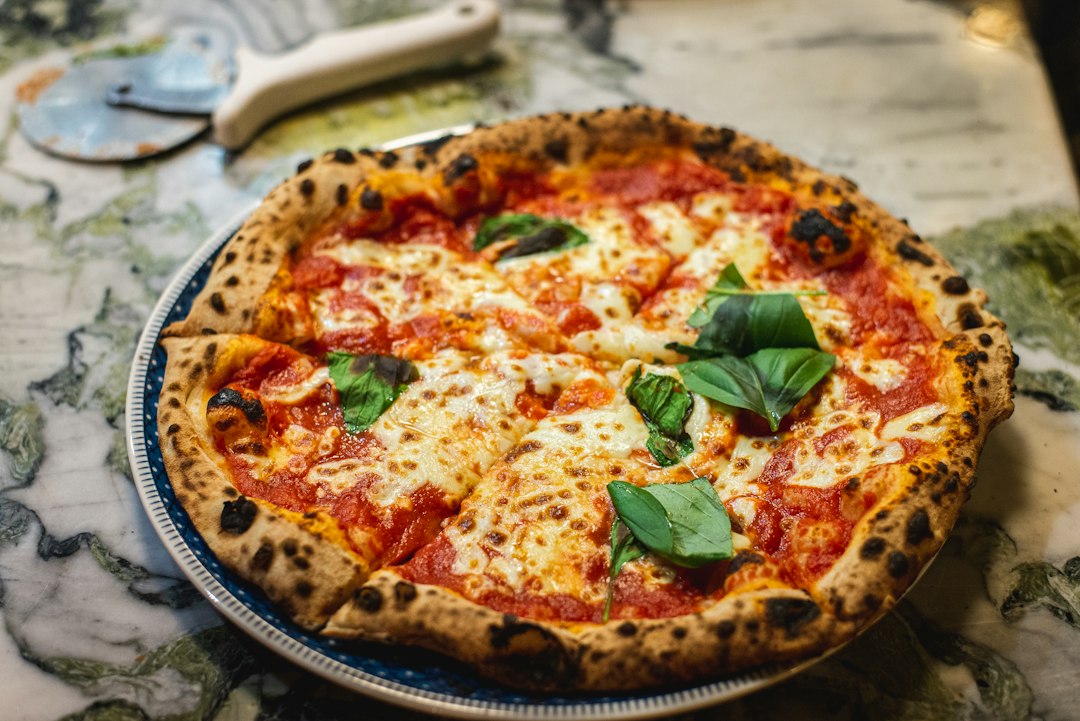
The Classic Margherita is more than just a pizza—it is a symbol of Italian culinary heritage. Born in the bustling streets of Naples, this simple yet profound creation has captured hearts worldwide. In this post, we explore the historical origins, the essential ingredients, and the precise techniques that elevate the Margherita from a humble meal to a gastronomic masterpiece.
The Origins of Margherita
Legend tells us that in 1889, Queen Margherita of Savoy visited Naples, and a local pizzaiolo named Raffaele Esposito created a pizza inspired by the Italian flag: red tomato sauce, white mozzarella, and green basil. The queen was delighted, and thus the Margherita was born. While historians debate the exact details, there is no doubt that this pizza represents the heart of Neapolitan culture. Over the centuries, it has remained unchanged in spirit, focusing on freshness and simplicity.
At Dewey's Pizza, we honor this legacy by meticulous research and testing. Our book "Classic Margherita Mastery" captures every nuance of this iconic recipe. We have collaborated with pizzaiolos from the historic district of Centro Storico in Naples, learning their secrets for achieving the perfect char, the airy crust, and the balanced flavors that make each bite a revelation.
Selecting the Right Flour and Dough
The foundation of any great Margherita lies in its dough. For authentic results, we recommend type "00" flour, which is finely milled and has a high protein content ideal for creating extensible gluten networks. The hydration level typically ranges from 60% to 65%, yielding a dough that is soft yet manageable. Kneading by hand or with a mixer must be gentle to avoid over-oxidation, which can affect flavor and color.
Fermentation is where the magic happens. A slow cold proof of 24 to 48 hours in the refrigerator develops complex aromatic compounds. This process, known as bulk fermentation, allows the yeast to produce organic acids that enhance taste. Our blog emphasizes patience; the best dough rewards the baker with a puffy, leopard-spotted crust when baked at high temperatures (around 800°F / 425°C in a wood-fired oven, or as high as your home oven allows). For home bakers, a pizza steel and a preheated broiler can simulate these conditions.
The Perfect San Marzano Tomato Sauce
San Marzano tomatoes, grown in the volcanic soil of Mount Vesuvius, are treasured for their sweet flavor, low acidity, and firm flesh. To make a traditional sauce, you only need to crush the tomatoes by hand, adding a pinch of sea salt and perhaps a few fresh basil leaves. No cooking is required—heat will develop the flavors during baking. The sauce should be applied sparingly so the dough remains crisp and does not become soggy.
In our experience, using canned whole San Marzano tomatoes from the DOP (Denominazione di Origine Protetta) region ensures top quality. However, we understand that availability can vary, so we provide substitutes such as high-quality plum tomatoes and advise on adjusting sweetness and acidity. Our recipe guides include troubleshooting tips for common issues like watery sauce or excessive tanginess.
Mozzarella, Basil, and Olive Oil
Authentic Margherita uses fresh mozzarella, ideally buffalo mozzarella from Campania, which has a delicate, milky flavor. Slice it thinly and pat it dry before placing it on the pizza to prevent excess moisture. The mozzarella should melt into creamy pools without completely covering the sauce—traditional pizzaiolos often tear the cheese into pieces to ensure even distribution.
Basil leaves are added after baking to preserve their aromatic oils, though some recipes add them just before the pie enters the oven for a slightly wilted texture. Finish with a drizzle of extra-virgin olive oil, preferably a robust one from the Ligurian or Tuscan regions, to add fruitiness and shine.
Baking Technique for Home Ovens
Many home cooks believe they cannot achieve Neapolitan-quality pizza, but we disagree. With the right tools and timing, you can create outstanding results. Preheat your oven to maximum (usually 500°F / 260°C) with a pizza stone or baking steel for at least 45 minutes. Switch to the broiler for the final minutes to mimic the radiant heat of a wood-fired oven. Bake the pizza for only 90 seconds to 2 minutes until the crust is puffed, blackened in spots, and the cheese is bubbly.
Another tip is to use minimal toppings—overloading the pizza leads to a soggy center. Use a light hand with the sauce and ensure the dough is stretched thin in the middle while keeping a slightly thicker rim for a chew. Practice makes perfect, and our book includes visual cues to help you judge doneness, such as the golden-brown blisters and the characteristic aroma of roasted dough.
Pairing and Serving Suggestions
A classic Margherita is best enjoyed fresh out of the oven, cut into four or six slices. Serve with a glass of Italian red wine, such as a Chianti or a light-bodied Nero d'Avola. For a non-alcoholic option, a sparkling water with lemon is refreshing. In Naples, people often fold the slice in half and eat it with their hands—a simple pleasure that captures the spirit of this dish.
We encourage you to experiment with subtle variations, perhaps adding a few cherry tomatoes or a sprinkle of oregano, but always respect the core principles: quality ingredients, balanced flavors, and a crisp yet chewy crust. Our blog series is designed to deepen your understanding, and our book "Classic Margherita Mastery" provides over 30 variations and accompaniments to expand your repertoire.
Why This Recipe Works
This approach works because it respects the raw components and relies on high heat for flavor development. The Maillard reaction and caramelization of sugars in the dough produce complex notes, while the fresh mozzarella and basil add brightness. Scientific analysis shows that high-temperature baking reduces moisture loss and creates a more open crumb structure, which is why the crust is airy and crisp simultaneously.
Through this blog post, we hope to inspire you to try this classic at home. Remember, the journey to perfect pizza is a continuous learning process. Dewey's Pizza is here to guide you, whether you are a novice or a seasoned home chef. Do not hesitate to experiment, take notes, and, most importantly, enjoy the process and the delicious results.
Final Thoughts from Chef Dewey
"The Margherita is a lesson in restraint," says Chef Dewey. "It teaches us that great food does not require complexity but rather precise technique and pristine ingredients. As you master this recipe, you will gain confidence that applies to all Piedmont cuisine. I am thrilled to share these insights with you and encourage you to check out our other blog posts for more pizza wisdom."
Thank you for reading! If you found this guide helpful, please share it with fellow pizza lovers. Stay tuned for our next post, where we delve into the world of pepperoni and its crispy-cup phenomenon.