
Pepperoni Perfection Guide: Achieving the Ideal Crispy Cup
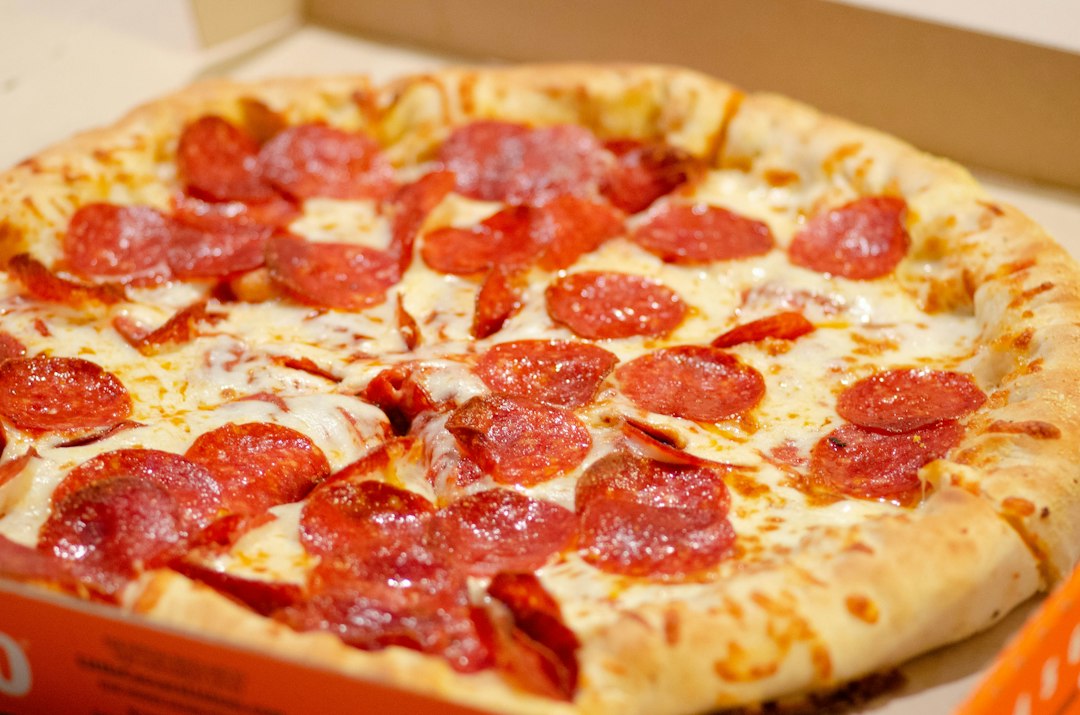
Pepperoni is, without doubt, the most beloved pizza topping in the United States. Its savory, slightly spicy character and its ability to curl into crispy, oily cups when properly baked make it a favorite among millions. In this detailed guide, we dissect every aspect of pepperoni, from its origins to the science behind that perfect cupping, ensuring you become a true pepperoni master.
A Brief History of Pepperoni
Pepperoni is an Italian-American invention, derived from the Italian word "peperoni," which means bell peppers. However, the cured meat we know today was developed by Italian immigrants in the early 20th century, combining pork and beef with paprika, chili flakes, and other spices. Its popularity grew alongside the pizza boom in America, and by the 1950s, it ranked as the top pizza topping. Today, about 36% of all pizzas ordered in the U.S. feature pepperoni.
At Dewey's Pizza, we appreciate the cultural significance of pepperoni. Our research team spent months testing various brands, styles (stick vs. pre-sliced), and thickness levels to define the ideal characteristics for a homemade pizza. We documented our findings in "Pepperoni Perfection Guide," a book that has already helped thousands of home cooks achieve diner-quality results. In this post, we share some of that knowledge.
Choosing the Right Pepperoni
The market offers two main types of pepperoni: the traditional stick (chub) and pre-sliced rounds. For the best flavor and texture, we recommend buying a whole stick and slicing it yourself. This allows you to control thickness, which is crucial. The ideal slice is thin (approximately 1/8 inch or 3mm) and slightly wide so it can contract and form a cup. If the pepperoni is too thick, it remains flat and chewy; if too thin, it burns by the time the cheese melts.
Quality matters. Look for pepperoni with a high meat-to-fat ratio (usually around 70/30) and natural casings that snap when cut. Avoid products with artificial preservatives or excessive fillers. Many artisan producers offer grass-fed pork and smoked variations that add depth. However, even a standard supermarket brand can work well with proper technique.
The Science of the Cup
Why does pepperoni curl into a cup? It is simple physics: the edges shrink more than the center due to differences in moisture and fat, causing the edge to curl upward as it dries and contracts during baking. To encourage this cupping effect, place the pepperoni slices so that they slightly overlap the edge or nestle them together. Some experts suggest warming the pepperoni slices at room temperature for 15 minutes before use, which helps the fat render evenly.
Another factor is the placement under or over the cheese. Classic pepperoni on top of cheese creates cups, while hiding it beneath yields a chewier texture. For the iconic cup appearance, place the pepperoni on top of the cheese, but leave a small gap between each slice to allow moisture to escape. We recommend using about 20 to 25 slices for a 14-inch pizza, arranged in concentric circles.
Baking Temperature and Timing
The high heat of your oven (or stone) is what sets the stage for perfect pepperoni. Aim for temperatures above 500°F (260°C). If your oven maxes out at 550°F, great. Preheat your pizza stone for at least 45 minutes so that it stores heat. Once the pizza is assembled, bake it on the top rack with the broiler turned on for the last minute or two, which finishes the pepperoni's crispy edges.
Do not overload the pizza. Too many slices prevent the fat from rendering and the moisture from evaporating, leaving steamed, soggy meat. A balanced approach ensures that each piece crisps on the edges while retaining a tender center. You will know they are done when the edges are charred and the cups are filled with bubbling oil.
Flavor Pairings and Variations
Pepperoni pairs brilliantly with robust tomato sauce, smoked mozzarella, and a sprinkle of oregano. For a bold twist, try adding hot honey or a drizzle of picante sauce after baking. Others enjoy layering fresh jalapeños or pineapple for a sweet-spicy contrast. The possibilities are endless. Our book includes over 25 pepperoni-based recipes, from a classic New York fold to a deep-dish Chicago variation.
For vegetarians, we offer a plant-based pepperoni recipe using seitan and smoked paprika that mimics the texture and flavor remarkably. It is a great option when catering to a mixed group. The technique remains similar, though plant-based versions may brown faster, so watch carefully.
Let's Get Practical: Q&A from Our Community
Our readers often ask about the direction to place the pepperoni slices. The slice's curve does not matter; the cup formation is universal. Others want to know if they should pre-cook the pepperoni for faster crisping. We advise against it, as it dries out the meat and loses the juicy bite. Baked directly on the pizza, the fat slowly renders and infuses the surrounding cheese with flavor.
A common mistake is using a cold, undrained sauce, which adds moisture and prevents crisping. Use a thicker sauce or allow it to reduce before spreading. Also, ensure your dough is not too thin in the middle; a sturdy base supports the weight of several toppings.
Final Words
Mastering pepperoni is a game-changer for any pizza enthusiast. The next time you bite into a crispy, slightly spicy cup, you will appreciate the science behind it. We encourage you to experiment, note what works, and refine your method. Our blog and book "Pepperoni Perfection Guide" are there to help you on every step. Happy baking!