
Neapolitan Nights: Bringing the Flavors of Naples to Your Kitchen
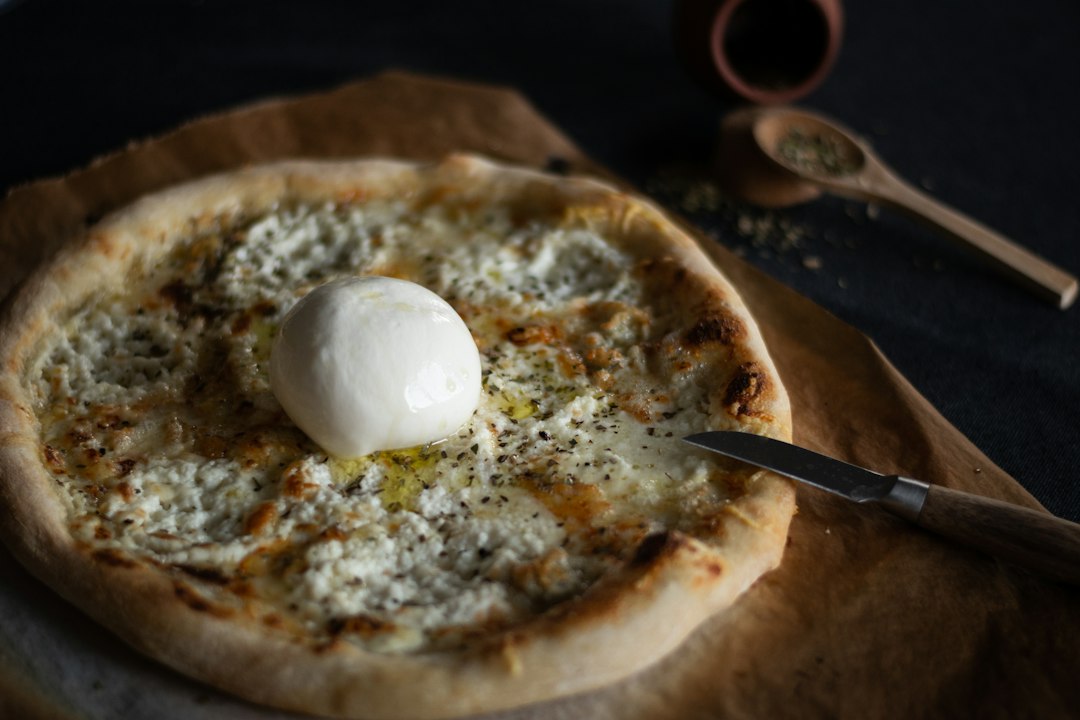
Naples is widely regarded as the birthplace of pizza, and its traditional style has earned UNESCO Intangible Cultural Heritage status. The Neapolitan pizza is characterized by a soft, thin center and a puffy, charred crust, often cooked for no more than 90 seconds in a blazing wood-fired oven. This blog post transports you to the narrow streets of Naples, exploring the culture, ingredients, and techniques that make this pizza legendary.
The Spirit of Naples
To truly understand Neapolitan pizza, one must appreciate the passion of its people. In Naples, pizza is not just food—it is a daily ritual, a source of pride, and a social event. Pizzerias bustle with families at lunchtime, and the atmosphere is lively. The local term "pizza fritta" (fried) is also popular, but the classic baked version dominates. The dough is made with only four ingredients: flour, water, salt, and yeast, with a high hydration that yields a delicate, airy crumb.
Our book "Neapolitan Nights" was born from our team's immersive journey through Naples, where we interviewed master pizzaiolos like Enzo Coccia and Gino Sorbillo. We learned about their unique dough methodologies, the role of the oak-fired oven, and the importance of using fresh, preservative-free ingredients. We distilled those lessons into 45 recipes that preserve authenticity while remaining accessible to home cooks.
Dough Perfection: The Key Elements
The hallmark of Neapolitan dough is its high hydration, typically around 62-65%. This results in a sticky dough that requires skill to handle. We recommend using a wooden or marble work surface, generously floured with 00 flour. The dough should be shaped by hand, using gentle movements to create a thicker rim (cornicione) and a thin center. You should never use a rolling pin, as it flattens the edges too much and removes the air bubbles that create the desired texture.
The proofing time is critical. After mixing, the dough rests for at least 4-8 hours at room temperature, then it is portioned into balls and allowed to double in size. Many recipes call for a 24-hour cold fermentation in the fridge, which enhances flavor development through slow hydration and enzymatic activity. We explain how to adjust hydration based on humidity, as Naples's coastal air is humid.
Wood-Fired vs. Home Oven
Traditional Neapolitan pizza requires a wood-fired dome oven that reaches 800°F (425°C) or more. This high heat creates the leoparding and rapid cooking that sets this style apart. At home, you can mimic these conditions with a baking steel or a cast-iron pan turned upside down in a conventional oven, preheated at maximum for one hour. Use the broiler on high for the last minute to simulate the radiant heat from the dome.
If you have access to a kettle-barbecue or a portable outdoor pizza oven, even better. We have tested various appliances and recommend a few budget-friendly options in our book, along with tips for maintaining temperature and airflow. Remember, practice is needed to manage the dough's stickiness, so do not be discouraged if your first attempt is imperfect.
Ingredients: From San Marzano to Fior di Latte
Authentic Neapolitan sauce is raw crushed San Marzano tomatoes, which are sweet and slightly acidic. They are peeled by hand and lightly salted, no other seasonings or cooking. The cheese is fior di latte, a fresh cow's milk mozzarella, as buffalo mozzarella can become too watery. It is used sparingly so that the sauce remains visible. Fresh basil, oregano, and a drizzle of extra-virgin olive oil complete the toppings.
The importance of provenance cannot be overstated. Our blog emphasizes buying from trusted suppliers who import directly from Campania. However, if you are in a pinch, look for whole peeled tomatoes marked "DOP San Marzano" (which requires certificates) and fresh mozzarella that contains only milk, salt, and rennet. The olive oil should be fruity, not bitter, and cold-extracted.
The Art of Stretching and Topping
Stretching dough into a perfect circle is a skill that improves with repetition. The technique involves pressing from the center outward, while the dough rests on your fists, letting gravity stretch it. Avoid overworking, which can tear. Once the base is ready, add the sauce in a spiral motion, leaving a border of about 1-2 cm. Arranging the mozzarella pieces evenly ensures a balance of flavors in each slice.
Timing matters. You should bake the pizza immediately after topping to avoid a soggy crust. Plan your mise en place: pre-shape your dough balls, have warm sauce and cheese ready, and use a pizza peel dusted with semolina to transfer the pie without sticking. When baking, rotate the pizza once after 30-45 seconds to ensure even charring.
From Our Kitchen to Yours
We believe authenticity is achievable for everyone, even without a wood-fired oven. This blog post offers a glimpse into our book's depth. We invite you to experiment with the techniques described, pat yourself on the back for small successes, and enjoy the learning process. The reward is a slice of Naples that you can share with loved ones. Do not forget to subscribe to our newsletter for more tips and recipes.
Thank you for joining us on this culinary adventure. Stay tuned for our next post where we dive into the decadent world of Chicago's deep dish pizza.